
In the competitive world of perfumery, where scent is king, the design of the perfume bottle often plays a critical role in the consumer experience. A unique perfume bottle can be the first point of contact between the brand and the consumer, setting the tone for the fragrance itself. This article explores the significance of unique perfume bottle designs for standout fragrances, delving into design philosophies, materials, production techniques, and their impact on marketing and consumer perception.
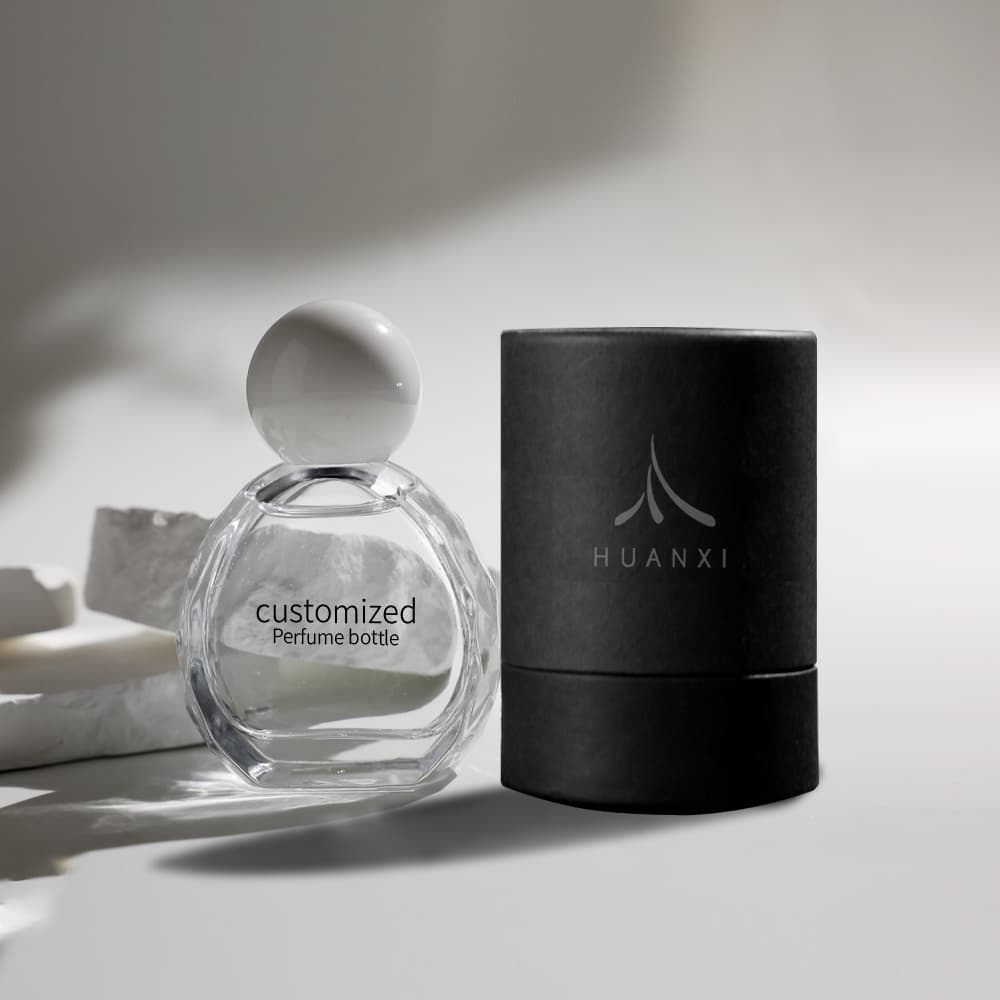
Perfume bottles serve as visual expressions of the fragrance within. A distinctive design can attract consumers' attention, making a lasting impression in a highly saturated market. An aesthetically appealing bottle can entice customers to pick it up, sparking curiosity and encouraging them to experience the scent—a crucial first step in the purchasing journey.
The design of a perfume bottle often encapsulates the essence of the brand. Colors, shapes, and textures can all communicate specific messages or emotions associated with the fragrance. For instance, a bottle shaped like a crystal might convey luxury, while a minimalist design could suggest sophistication and modernity. This visual branding helps to reinforce the identity of the fragrance line and makes it easier for consumers to connect with the brand on a deeper level.
Well-designed bottles can evoke emotions and memories, enhancing the overall experience of the fragrance. When a consumer feels an emotional connection to a product—be it due to nostalgia, excitement, or even aspiration—they are more likely to choose that fragrance over others. Unique bottle designs can create a story or convey a narrative that resonates with consumers, making them feel like part of the brand’s journey.
Perfume is a popular gift choice, and unique bottle designs significantly enhance the gift-giving experience. A beautifully crafted bottle adds an element of thoughtfulness and aesthetic charm, making it more desirable as a present. This giftability factor is essential during holiday seasons and special occasions, where the appeal of the packaging can influence the consumer’s purchasing decision.
The shape of a perfume bottle is one of the most significant elements in its design. Unconventional shapes can capture attention and differentiate a brand. Some recent trends in bottle shapes include:
Geometric Forms: Angular designs, like squares and triangles, convey a modern, cutting-edge aesthetic, appealing to contemporary consumers.
Organic Shapes: Soft, flowing designs can evoke natural elements, resonating with those who appreciate a more holistic or natural approach to fragrance.
Cultural References: Some brands draw inspiration from cultural artifacts or historical objects, creating bottles that are not only functional but also serve as conversation starters.
Color can evoke specific emotions and attract target demographics. For instance, bright, vibrant colors may appeal to a younger audience, while muted and earthy tones might attract an older demographic seeking sophistication. Additionally, the color of the bottle can reflect the fragrance itself:
Warm Tones (Golds, Reds): Often associated with spicy or oriental fragrances.
Cool Tones (Blues, Greens): Typically linked to fresh, aquatic scents.
Transparent or Frosted Glass: Signals light and airy fragrances, allowing the color of the liquid to show through.
The texture of the bottle adds another layer of sensory involvement. From matte finishes that exude minimalism to glossy surfaces that signal luxury, the tactile experience can influence consumer perception. Additional design features might include:
Embossed Patterns: Creating visual interest and a tactile experience.
Frosted Glass: Adding a soft, understated elegance to the design.
Metal Finishes: Often used for caps or accents, suggesting modernity and luxury.
The cap of a perfume bottle is often considered the crown jewel of the design. An interesting cap can enhance the overall visual appeal and functionality:
Unique Designs: Caps that resemble natural elements, geometric shapes, or even abstract sculptures can add a delightful surprise.
Materials: High-quality materials like metal, wood, or crystal can heighten the perception of luxury and craftsmanship.
The primary material for luxury perfume bottles is glass, owing to its superior ability to preserve fragrance quality and its luxurious visual appeal. Variations in glass types allow for creative designs:
Colored Glass: Hues can be infused directly into the glass during production, allowing for deeper colors without the need for paint or coatings.
Frosted and Etched Glass: Provides a more artisanal feel and can enhance the visual aesthetics while protecting the contents from light.
While often associated with lower-end products, high-quality plastics can mimic the appearance of glass while being lighter and shatter-resistant. Many contemporary designs incorporate plastic for practical purposes, especially in travel-sized options.
Luxury brands are increasingly exploring alternative materials, including:
Metal: Often used for caps or accents, metal can suggest modernity and durability while offering a sleek finish.
Ceramics: Offers a unique look and can have an artisanal feel, appealing to niche markets that value craft and tradition.
Sustainable Materials: As consumers grow more environmentally conscious, brands are beginning to use recycled materials or biodegradable options to create bottle designs that appeal to eco-conscious buyers.
The production process typically starts with brainstorming and concept development, where designers collaborate to envision the bottle's form and function. This stage is critical in aligning the design with the brand's identity and target market.
Once a design is finalized, the next step is creating prototypes. Using techniques like 3D printing, brands can produce physical models to evaluate functionality and aesthetics before mass production begins. This iterative process helps refine the design based on real-world considerations.
For glass bottles, common methods include:
Blow Molding: A method that allows for intricate glass designs, where molten glass is inflated into the shape of a mold.
Press Molding: Used for crafting more complex shapes with precision.
In contrast, plastic bottles are produced primarily through injection molding, which allows for high production rates and customization.
After forming, bottles can receive various treatments that enhance both aesthetics and branding. Techniques include:
Screen Printing: Used for applying logos and decorative elements, making sure they remain intact throughout the bottle's lifecycle.
Coatings: Glossy or matte finishes can be added, and special coatings can also be applied to enhance durability or create specific visual effects.
Filling bottles with fragrance is a critical step where precision is vital. Automated filling systems ensure that the bottles are correctly filled without spillage. Quality control measures are also implemented to check for defects in filling, capping, and labeling, ensuring that each product meets the brand’s high standards.
Unique designs build a story around the fragrance, allowing brands to connect with consumers on a deeper level. Crafting narratives that highlight the inspiration behind the design can enhance consumer engagement and loyalty.
In an age of digital marketing, visually appealing bottle designs can significantly enhance a brand’s social media presence. Platforms like Instagram thrive on aesthetics, and brands can encourage user-generated content featuring their unique bottles, creating organic marketing.
Limited edition releases or collaborations can create buzz around unique bottles. Brands can leverage these campaigns to emphasize the artistic aspects of the bottle, making it a collectible item that appeals to fragrance aficionados and collectors alike.
Brands can host events or workshops that allow consumers to experience both the fragrance and the bottle design process. Engaging consumers in this manner not only showcases the uniqueness of the product but also fosters community and brand loyalty.
One of the primary challenges in creating unique perfume bottles is maintaining a balance between form and function. While visuals are crucial, the bottle must also be practical for everyday use—the sprayer should work effectively, and the bottle should be easy to hold.
Crafting unique designs, particularly with high-quality materials, can significantly elevate production costs. Brands must navigate this carefully to maintain affordability while delivering excellence. Cost-effective production techniques without compromising quality are essential for sustainability.
The fragrance industry is dynamic; keeping pace with trends—be it sustainability, personalization, or shifting consumer preferences—can be challenging. Brands need a keen understanding of the market to produce designs that resonate with consumers while also embracing innovation.
Qingdao Huanxi Homeware Co., Ltd. excels in the production of unique perfume bottles, assisting brands in bringing their creative visions to life. Their expertise in design and production ensures that brands can achieve their desired aesthetic while maintaining high-quality standards.
Understanding the diverse needs of brands, Qingdao Huanxi offers extensive customization services. This flexibility allows brands to create distinctive bottles that reflect their unique identities, from shape and material to finish and packaging.
As the demand for sustainable practices in packaging increases, Qingdao Huanxi is committed to exploring eco-friendly materials and processes. This commitment not only aligns with consumer expectations but also enhances brand reputation, positioning clients as responsible choices in the marketplace.
By embracing advanced manufacturing techniques, Qingdao Huanxi improves efficiency and product quality. Their focus on innovation enables brands to keep pace with evolving trends and consumer demands, ensuring that they remain competitive within the fragrance industry.
Unique perfume bottle designs play a pivotal role in defining standout fragrances. These designs serve not only as vessels but as integral components of branding and marketing strategies, influencing consumer perception and purchase decisions. In a market saturated with options, a carefully crafted bottle can differentiate a brand and elevate the fragrance experience.
As the industry evolves, embracing creativity, sustainability, and functionality will be crucial for brands seeking to make an impact. Companies like Qingdao Huanxi Homeware Co., Ltd. are at the forefront of this movement, helping to shape the future of perfume bottle design. By focusing on innovative designs, responsible practices, and consumer engagement, brands can continue to create fragrances that captivate and inspire.
In the end, the art of perfume bottle design is just as important as the perfume itself, marrying aesthetics with storytelling to create a holistic experience that resonates with consumers.
Contact: Jack Song
Phone: +86-18661792804
Tel: +86-18661792804
Email: jack@hx-candle.com
Add: 230 Changjiang Middle Road, Qingdao, Shandong, China