
The production of perfume bottles is a pivotal component of the fragrance industry, influencing not only how products are presented but also their marketability and consumer appeal. Among the various sizes available, the 100ml bottle has become a standard for retail, striking a balance between value and usability for both consumers and manufacturers. This article explores the intricacies of 100ml perfume bottle production, including design, materials, manufacturing processes, and market trends, with insights into how companies like Qingdao Huanxi Homeware Co., Ltd. are shaping this segment.
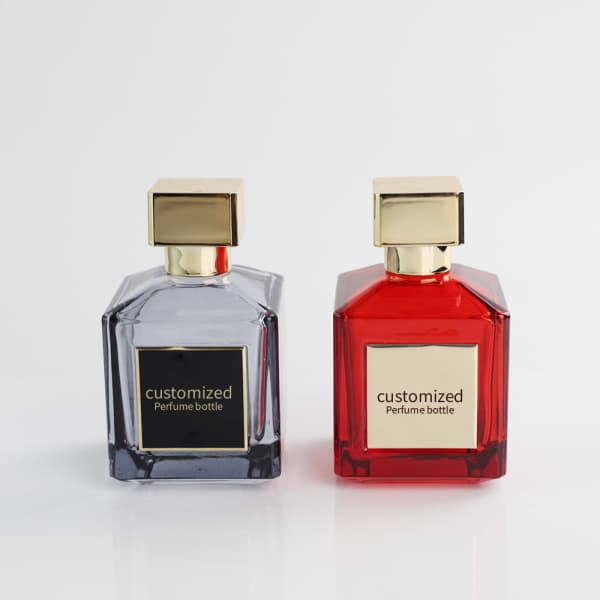
The 100ml perfume bottle has emerged as a popular choice among consumers, largely due to its optimal volume. It provides a sufficient amount of fragrance for regular use without being overly bulky or prohibitively expensive. According to market research, consumers typically seek bottles that offer good value and longevity, and the 100ml size fits perfectly into this criterion. This size not only appeals to everyday users but also to gift buyers who are often attracted to the convenience and perceived value of larger bottles.
100ml bottles are versatile, suitable for a range of fragrance types from eau de parfum to eau de toilette. This flexibility makes them appealing across various market segments, including luxury brands, niche perfumers, and mass-market producers. As a result, manufacturers often prioritize the design and production of 100ml bottles to accommodate a diverse array of fragrances.
Consumer preferences significantly influence packaging choices. The 100ml size strikes a balance between practicality and indulgence. It satisfies the consumer desire for quality without the intimidation that can sometimes accompany larger sizes. This size also allows for a range of price points that can cater to different budget considerations, making it accessible for a wide audience.
The design of the 100ml bottle plays a crucial role in attracting consumers. A visually appealing bottle can enhance the perceived value of the fragrance. Brands often invest in unique and elegant designs that reflect their identity and resonate with their target audience. Whether opting for sleek, minimalist designs or ornate, luxurious appearances, the aesthetic is vital for standing out on retail shelves.
Beyond aesthetics, the design must also focus on functionality. Key considerations include the bottle’s shape, the type of closure (spray, pump, or cap), and ease of use. For instance, a well-designed spray mechanism should deliver a fine mist while being easy to operate, ensuring a pleasant user experience. Ergonomics also come into play—bottles should fit comfortably in a consumer's hand, making application effortless.
Incorporating branding elements such as logos, labels, and color schemes into the design is essential. These elements not only help in building brand identity but also influence consumer purchasing decisions. The design must convey the essence of the fragrance, whether it’s floral, woody, fresh, or oriental, aligning the visual presentation with the scent profile.
Glass is the most commonly used material for perfume bottles, favored for its aesthetic appeal and ability to preserve fragrance integrity. Clear glass is often used to showcase the color of the perfume, while frosted options can create a more premium feel. Moreover, glass is recyclable, aligning with the growing consumer demand for sustainable products.
While glass is preferred for high-end perfumes, plastic materials are increasingly utilized for budget-friendly brands and travel-sized options. Plastic bottles are lightweight, shatterproof, and can be molded into various shapes, offering design versatility. However, they must be carefully designed to ensure they do not react with the fragrance.
Some brands experiment with metal or hybrid materials for added sophistication and durability. Metal bottles can present a modern aesthetic and help protect the fragrance from light exposure, which can affect its quality. Additionally, eco-friendly materials and bioplastics are gaining traction as sustainability becomes a priority in packaging design.
The first step in manufacturing is the design phase, where concepts are created and prototypes are developed. Advanced software and 3D printing technologies are often used to visualize the bottle’s design before the mass production phase. Prototyping allows for testing the functionality and aesthetics of the design, giving brands a chance to make adjustments before launching the product.
For glass bottles, the manufacturing process typically involves blowing or molding techniques. Glass is heated to a molten state, then shaped into the desired form using molds. Plastic bottles are produced through injection molding or blow molding, allowing for various designs while maintaining low production costs.
Once shaped, the bottles may undergo surface treatments to enhance their appearance and functionality. Techniques such as frosting, lacquer, or screen printing can be applied to achieve the desired finish. Branding requirements, such as labeling and logo application, also occur during this stage to ensure all branding elements are correctly applied.
After the bottles are produced and finished, they undergo filling with the fragrance. This step requires precision to maintain quality and adherence to safety standards. For 100ml bottles, automated filling lines ensure efficiency and minimize wastage. Once filled, the bottles are sealed, labeled, and packaged for distribution, ready for retail shelves.
Quality control begins with sourcing high-quality materials that meet industry standards. Regular inspections of glass and plastic quality ensure they can withstand the manufacturing processes and maintain their integrity.
During the prototyping stage, designs are tested for functionality, aesthetics, and ergonomics. This validation process typically involves gathering feedback from focus groups and industry experts to make necessary adjustments before moving to mass production.
Throughout the manufacturing process, quality assurance measures are implemented. This includes monitoring equipment, verifying filling accuracy, checking for defects in the bottles, and ensuring consistency in branding. Comprehensive quality checks prevent issues that could arise once the products reach consumers.
Manufacturers must adhere to various regulations concerning packaging and labeling in the fragrance industry. This includes ensuring that all materials used are safe for consumer use and that packaging aligns with international shipping and safety standards. Compliance with these regulations not only protects consumers but also enhances brand credibility.
One of the most significant trends in packaging is the push towards sustainability. Consumers are increasingly aware of environmental issues and are more likely to support brands that adopt eco-friendly practices. This has led manufacturers to explore biodegradable materials, refillable designs, and recyclable packaging to meet consumer demands.
Personalization is becoming a crucial market trend. Many brands are now offering customizable options for fragrance bottles, allowing consumers to choose specific designs, colors, or even engraved names. This trend not only enhances customer satisfaction but also fosters brand loyalty as consumers feel a stronger connection to personalized products.
With the rise of online shopping, packaging design needs to consider the logistics of shipping and presentation. 100ml perfume bottles must be sturdy yet lightweight to reduce shipping costs while still offering an aesthetically pleasing presentation for online consumers. Companies are investing in protective yet attractive packaging solutions that enhance the unboxing experience.
Brands are also exploring innovative functionalities, such as multi-use caps and integrated fragrance diffusers, to enhance the usability of their 100ml bottles. Such features not only add value but also create differentiation in a crowded market.
Qingdao Huanxi Homeware Co., Ltd. stands out as a strong player in the production of perfume bottles. With years of expertise, the company focuses on crafting high-quality 100ml bottles that meet the diverse needs of brands across the fragrance market. Their commitment to excellence is reflected in the continuous improvement of their production processes and materials.
Understanding the importance of branding, Qingdao Huanxi offers customizable bottle designs that accommodate individual brand identities. Collaborating with clients to create unique and appealing designs, they help brands differentiate themselves in a competitive market.
Qingdao Huanxi is committed to eco-friendly practices. They actively seek sustainable materials and incorporate environmentally responsible manufacturing methods into their processes. This dedication positions them as a leader in sustainable packaging solutions within the fragrance industry.
The company embraces innovation and technology throughout the production process. By utilizing advanced machinery and techniques, Qingdao Huanxi enhances efficiency and product quality, enabling brands to bring their fragrance concepts to life while maintaining consistency and reliability.
The production of 100ml perfume bottles plays a vital role in the fragrance industry, offering a perfect blend of size, value, and versatility. As consumer preferences evolve, manufacturers must adapt to meet the demands of quality, sustainability, and aesthetic appeal. Companies like Qingdao Huanxi Homeware Co., Ltd. exemplify excellence in this field, contributing to the rising popularity of 100ml bottles through innovative design, quality materials, and a commitment to sustainability.
As the landscape of the fragrance market continues to change, the importance of 100ml bottles will only grow. They offer an advantage not just to consumers but also to brands looking for a practical and appealing packaging solution that resonates with the modern buyer. The future of 100ml perfume bottle production is bright, promising continued innovation and increased focus on environmental responsibility as the fragrance industry evolves to meet the expectations of a new generation of consumers.
Contact: Jack Song
Phone: +86-18661792804
Tel: +86-18661792804
Email: jack@hx-candle.com
Add: 230 Changjiang Middle Road, Qingdao, Shandong, China