
In the world of fragrances, the allure of a perfume extends beyond its scent; it encompasses the entire sensory experience, from the aroma to the artistic presentation of the bottle. Decorative perfume bottles play a crucial role in aesthetic brand presentation, serving as visual representations of the fragrance they contain. This article explores the significance of decorative perfume bottles, examining their design elements, materials, production processes, and their role in branding and marketing strategies.
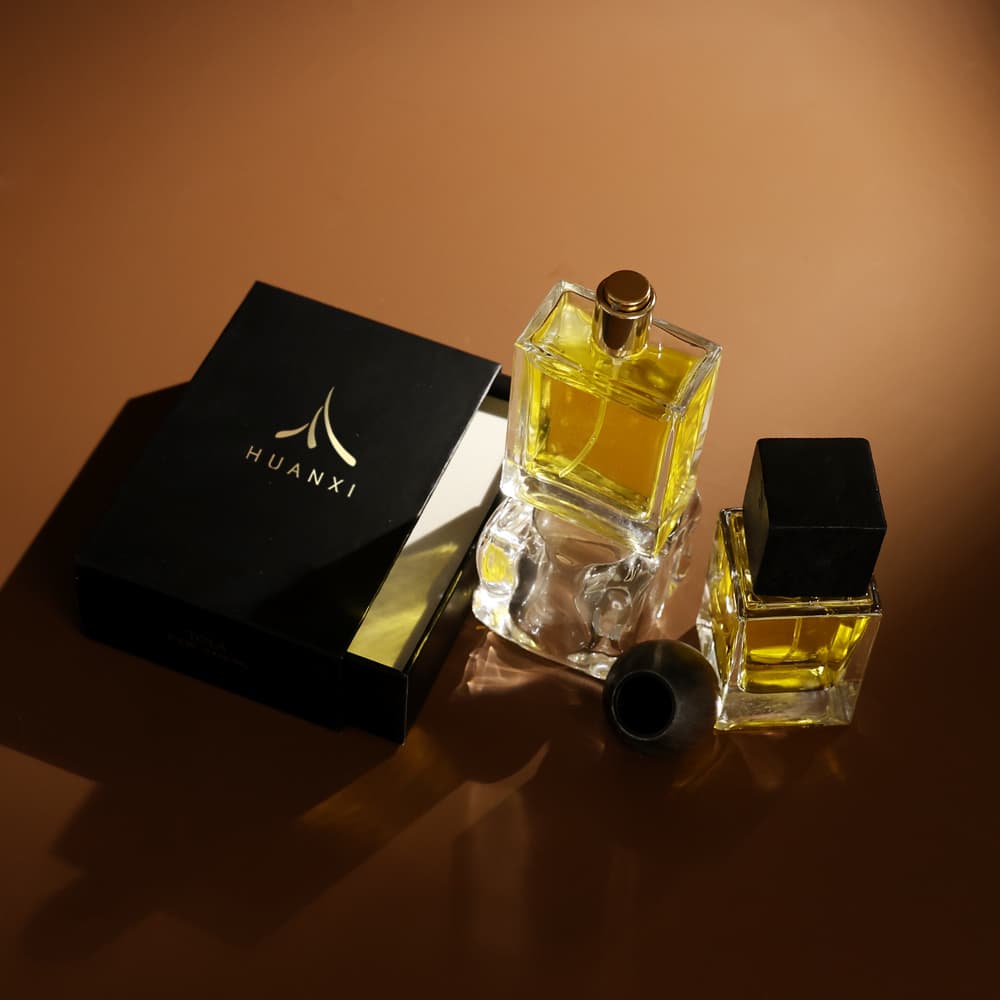
The first impression a consumer has of a fragrance often depends on its bottle. Decorative perfume bottles are designed to captivate attention, drawing potential buyers to the product on the shelf. In a crowded market, where countless fragrances vie for consumer interest, a beautifully designed bottle can be the distinguishing factor that invites consumers to explore a brand's offerings.
Each perfume bottle is a canvas for the brand's identity and values. The design can reflect the fragrance's character—whether it is bold, delicate, fresh, or exotic—effectively communicating the essence of the scent before it is even tried. A decorative bottle can tell a story about the brand's heritage, its target audience, and its overall aesthetic.
Packaging plays a significant role in establishing an emotional bond with consumers. Decorative bottles evoke feelings of luxury, nostalgia, or whimsy, enhancing the consumer's overall experience. When consumers feel emotionally connected to a brand through its packaging, they are more likely to develop loyalty, leading to repeat purchases.
Perfume is frequently given as a gift, and decorative bottles enhance this aspect. A beautifully crafted bottle adds a layer of thoughtfulness and elegance to the gift, making it more memorable for the recipient. Aesthetic presentation can elevate the unboxing experience, creating a moment of joy and surprise.
The silhouette of a perfume bottle is crucial in defining its aesthetic appeal. Brands often experiment with various shapes—ranging from classic and timeless to modern and avant-garde. For instance, angular designs might reflect a contemporary fragrance, while rounded, organic shapes can evoke feelings of softness and tradition. Creative shapes can transform bottles into art pieces that consumers are proud to display.
Color significantly impacts consumers' perceptions of a fragrance. Warm tones such as amber and gold may suggest richness and warmth, while cool hues like blues and greens can convey freshness and tranquility. The choice of color can also align with seasonal marketing strategies, tapping into themes of nature, holidays, or special occasions.
The texture of a perfume bottle can enhance its tactile and visual appeal. Matte finishes provide a modern, understated elegance, whereas glossy surfaces can evoke a sense of luxury and sophistication. Decorative elements such as embossing or engraving can add depth and interest, transforming a simple bottle into a statement piece.
The cap of a perfume bottle is more than just a functional element; it is an important aspect of the overall design. Unique and intricately designed caps can enhance the aesthetic appeal of the bottle. Brands often use materials such as crystal, metal, or environmental-friendly alternatives to create distinctive caps that add a touch of luxury and contribute to the overall presentation.
Glass is the quintessential material for perfume bottles, particularly in the luxury segment. It allows for a variety of finishes, shapes, and colors, providing brands with the flexibility to create stunning designs. Glass also serves to protect the integrity of the fragrance, ensuring that it remains unaltered over time. The weight and feel of glass add a premium touch that resonates with consumers.
High-quality plastics are often used for more affordable perfume lines. While plastic may be perceived as less luxurious than glass, advanced techniques can create attractive designs that mimic the look and feel of glass. Plastic bottles can be lightweight and shatter-resistant, making them practical for everyday use while still maintaining aesthetic appeal.
Innovative brands are now exploring alternative materials, such as ceramics, metals, and biodegradable options. These materials can provide unique aesthetics and differentiate products in a competitive marketplace. Metal bottles can convey a modern, industrial feel, whereas ceramics may evoke craftsmanship and tradition, appealing to diverse consumer preferences.
The journey of a decorative perfume bottle begins with the conceptual design phase. Brands collaborate with designers to translate ideas into visual concepts. This phase involves sketching, digital modeling, and brainstorming sessions to create a diverse array of possibilities that reflect the brand’s identity and the essence of the fragrance.
Once a design is established, prototyping becomes essential. This step allows brands to create physical models of the bottle, often using 3D printing or traditional mold-making techniques. Prototypes are crucial for assessing the design's practicality, ensuring that both aesthetics and functionality are met before production begins.
The manufacturing of glass bottles often involves blow molding or press molding techniques, allowing for intricate designs at scale. For plastic bottles, injection molding is commonly used, enabling manufacturers to produce detailed designs efficiently. The choice of technique can significantly influence the final product's quality and appearance.
After forming the bottles, they typically undergo various surface treatments. Techniques may include screen printing, labeling, and applying special finishes, all aimed at enhancing aesthetic appeal and reinforcing brand identity. Luxury brands might employ special treatments such as metallic foiling or etched designs to make their bottles truly stand out.
Filling decorative bottles with fragrance requires precision to avoid contamination or spillage. Automated filling lines ensure accuracy and consistency. Quality control measures are vital during this phase to check for defects in filling, ensure proper sealing, and confirm that the finished product meets industry standards.
Once the bottles are filled and sealed, packaging becomes a final consideration. The packaging must protect the bottles during transport but also serve as an extension of the brand’s identity. This involves creating visually appealing box designs or display cases that enhance the product's allure on retail shelves.
Quality control begins with the careful selection and assessment of materials. For glass bottles, defects such as bubbles or cracks can compromise structural integrity. Brands must ensure high-quality materials are sourced to maintain luxury status, while plastics must be assessed for safety and compatibility with fragrances.
Every decorative perfume bottle must be thoroughly tested for functionality. This includes checking sprayer mechanics, cap fit, and overall usability. Any issues in functionality can lead to negative consumer experiences, affecting brand loyalty and reputation.
Brands must adhere to strict regulations regarding packaging and labeling in the perfume industry. Properly labeling ingredients, usage instructions, and safety warnings is vital for consumer safety and brand credibility. Compliance ensures that the product not only meets market expectations but also protects consumers.
The design of a decorative perfume bottle can be a powerful storytelling tool. Brands often craft narratives around their fragrances—drawing on heritage, inspiration, or the sensory experience the scent offers. Engaging storytelling can strengthen consumer connections and enhance brand loyalty.
Today, consumers seek experiences rather than just products. Brands that create immersive experiences around their fragrances—launch events, interactive displays, or scent workshops—can leverage the allure of their decorative bottles to deepen engagement. A stunning bottle serves as a centerpiece in experiential marketing, capturing attention and creating memorable moments.
In an age dominated by social media, the visual appeal of decorative perfume bottles is paramount. Brands leverage platforms like Instagram and Pinterest to showcase their products in aesthetically curated settings. Beautifully designed bottles can enhance user-generated content and draw organic engagement, amplifying brand reach and visibility.
Decorative bottles are perfect for seasonal or limited-edition fragrance releases. Brands can create unique packaging to celebrate holidays, seasons, or special occasions, enticing consumers to make impulse purchases. The exclusivity of limited-edition decorative bottles can spur excitement and generate buzz around the brand.
One of the primary challenges in designing decorative perfume bottles is striking the right balance between aesthetics and functionality. While a stunning design may catch the eye, it must also ensure that the bottle is easy to use, refill, and transport. Striking this balance is crucial for consumer satisfaction.
The production of decorative perfume bottles can be costly, particularly when utilizing high-quality materials and intricate designs. Brands must manage costs effectively to remain competitive while offering unique products. This may require innovative production techniques or careful sourcing of materials.
The fragrance industry is continually evolving, with consumer preferences shifting towards sustainability, transparency, and personalized experiences. Brands must stay attuned to these trends to remain relevant, adapting their designs and marketing strategies accordingly.
Qingdao Huanxi Homeware Co., Ltd. is a leader in the production of decorative perfume bottles, renowned for their commitment to quality and innovation. Their expertise allows them to collaborate with brands to create customized designs that resonate with consumers.
Understanding the diverse needs of the fragrance market, Qingdao Huanxi offers a range of customization options. Brands can choose from various shapes, finishes, and materials, enabling them to develop unique bottles that align with their brand identity and vision.
As sustainability becomes a defining factor in consumer choices, Qingdao Huanxi is dedicated to adopting eco-friendly practices. They explore sustainable materials and packaging solutions, helping brands reduce their environmental footprint while appealing to conscious consumers.
The company employs advanced manufacturing techniques, ensuring high efficiency and quality in the production of decorative perfume bottles. By staying at the forefront of industry trends, Qingdao Huanxi helps brands meet consumer demands for innovative and aesthetically pleasing packaging.
Decorative perfume bottles are not just containers; they embody the essence of a brand and enhance the overall fragrance experience. Their role in aesthetic brand presentation is crucial, as they engage consumers on emotional and visual levels. As the fragrance industry continues to evolve, brands that prioritize unique, beautifully crafted bottles will stand out in a competitive marketplace.
By utilizing storytelling, experiential marketing, and a keen understanding of consumer preferences, brands can leverage decorative perfume bottles to create memorable experiences that foster loyalty and attachment. Companies like Qingdao Huanxi Homeware Co., Ltd. play a vital role in this landscape, offering expertise and innovation in producing decorative bottles that elevate brands and captivate consumers.
With an increasing emphasis on sustainable practices and personalized experiences, the future of decorative perfume bottles looks promising. As brands continue to explore new designs and materials, they will craft unique stories that resonate with consumers, ensuring that decorative bottles remain a pivotal element in the world of fragrances.
Contact: Jack Song
Phone: +86-18661792804
Tel: +86-18661792804
Email: jack@hx-candle.com
Add: 230 Changjiang Middle Road, Qingdao, Shandong, China